
When it comes to building and maintaining a robust credit profile, few factors carry as much weight as your payment history. Your ability to meet financial obligations consistently is a testament to your responsibility and reliability as a borrower. Here’s why it’s crucial and how to ensure you never miss a due date:
1. The Significance of Payment History
Your payment history, which accounts for about 35% of your FICO score, paints a detailed picture of your financial behavior. This section records how you’ve managed your debts, including credit cards, loans, and mortgages, over time. Lenders scrutinize this history to assess the level of risk you present as a borrower.
2. The Impact of Late Payments
Late payments, even if they’re just a few days overdue, can have a detrimental effect on your credit score. They signal to lenders that you may have difficulty managing your finances, potentially leading to higher interest rates, denial of credit, or less favorable loan terms.
3. How to Ensure Timely Payments
To safeguard your credit score and maintain a positive payment history:
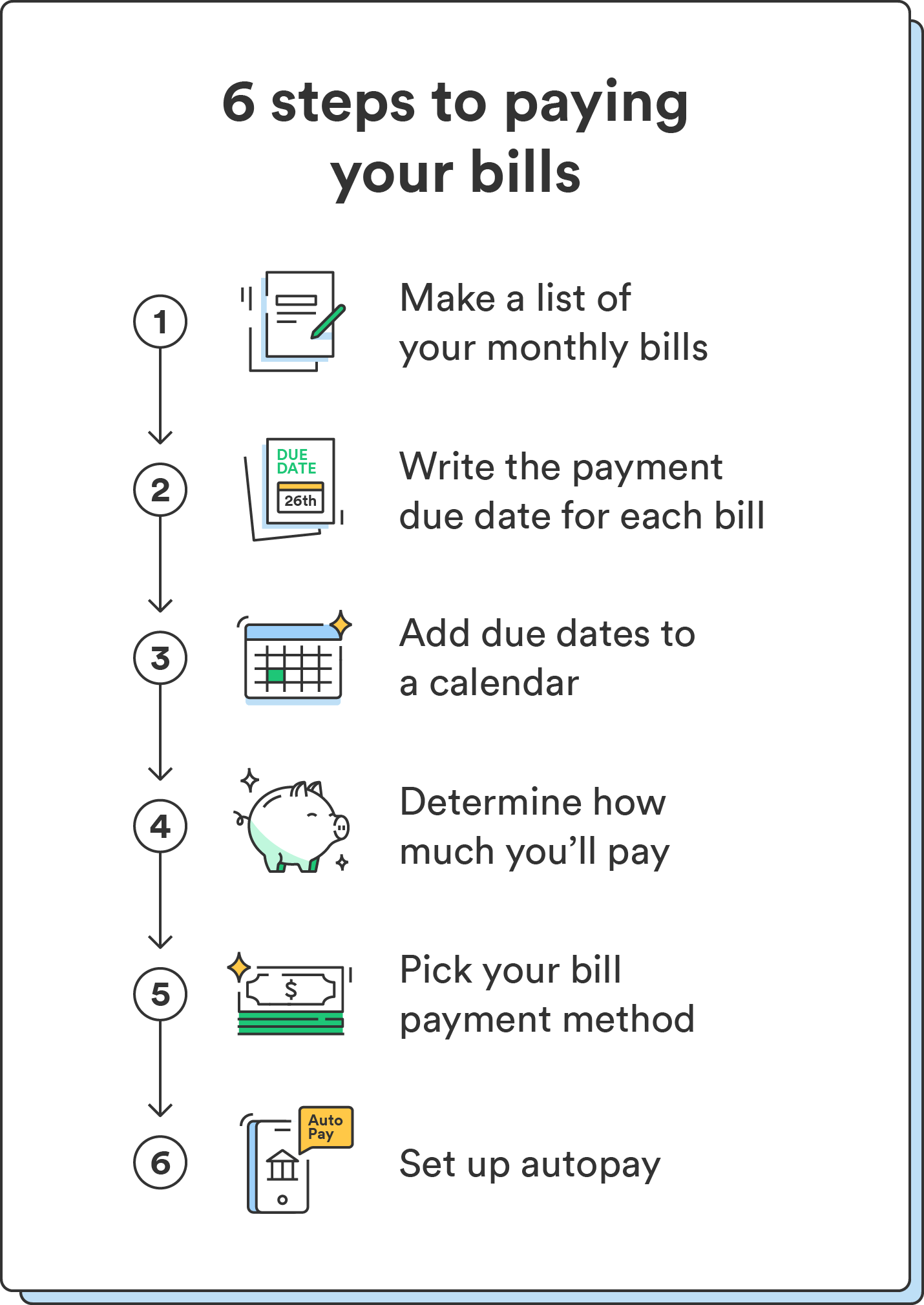
– Set Up Reminders: Life can get busy and it’s easy to overlook due dates. Utilize digital tools such as calendar reminders, mobile apps, or email notifications to keep track of payment deadlines.
– Automatic Payments: Consider setting up automatic payments for your bills. Most creditors and utility companies offer this service. With automatic payments, the amount due is deducted from your account on the scheduled date, ensuring you never miss a payment.
– Create a Payment Calendar: Maintain a dedicated calendar that lists all your bills, their due dates and the minimum payment amounts. Review it regularly to stay ahead of your financial obligations.
– Emergency Fund: Establishing an emergency fund can provide a safety net if unexpected expenses arise. Having this buffer can prevent you from missing payments during challenging times.
– Prioritize Payments: If you’re facing financial constraints and can’t cover all your bills, prioritize essential payments like your mortgage or rent, utilities and secured loans. Communicate with creditors to discuss temporary hardship arrangements.
4. The Long-Term Benefits
Consistently paying your bills on time not only preserves your credit score but also sets you on a path to financial success. A strong payment history opens doors to better loan terms, lower interest rates and increased trust from lenders, all of which are invaluable when you’re ready to pursue homeownership.
Remember, building an impeccable payment history takes time and diligence. It’s an investment in your financial future and a vital step toward achieving your dream of homeownership.
Stay committed to your financial goals, and rest assured that each on-time payment brings you one step closer to your real estate aspirations.
BONUS TIP:
Creating a budget is a fundamental step in achieving financial stability and ensuring that bills are paid on time. A well-structured budget provides a clear roadmap for managing your income and expenses, helping you allocate funds for essential bills while also accounting for savings and discretionary spending. By tracking your monthly income and categorizing your expenses, you gain a comprehensive view of your financial situation. This allows you to prioritize bill payments and avoid late fees or penalties. Moreover, a budget empowers you to identify areas where you can cut unnecessary expenses, redirecting those funds toward meeting your financial obligations. Ultimately, a budget not only helps you stay organized and in control of your finances but also provides peace of mind, knowing that you have a plan in place to meet your financial responsibilities promptly and reduce financial stress.
Disclaimer:
The financial information provided here is for general informational purposes only. It is not intended as professional financial advice, and you should not rely on it as such. Always consult with a qualified financial advisor, accountant, or legal expert before making any financial decisions or taking any actions that may affect your financial well-being.
 Lohnnie Green